Stamped Concrete vs. Pavers for Commercial Properties: Pros and Cons
People seeking commercial stamped concrete installation are often comparing it to pavers, and local contractors can help choose and install the best option for their property.
Choosing the right surface for commercial property walkways, parking lots, or outdoor gathering areas can significantly impact both aesthetics and functionality. For property owners exploring stamped concrete versus pavers for commercial properties: pros and cons, understanding the unique benefits and limitations of each option is essential. This comparison helps in making informed decisions that align with property goals, whether it’s durability, appearance, or maintenance needs. Local contractors who specialize in stamped concrete installation can provide insights into how this material might enhance your property’s look and longevity, making the decision process more practical and tailored to your specific needs.
Many property owners in the area are considering these options to improve curb appeal, safety, and overall value. Since each material offers distinct advantages-such as the versatility of stamped concrete or the classic appeal of pavers-it's helpful to evaluate which aligns best with the property's usage and aesthetic vision. By exploring the pros and cons of stamped concrete vs. pavers for commercial properties, owners can better understand what to expect and how local service providers can help bring their project to life. Keep reading to discover detailed comparisons that can guide your next outdoor improvement project.
- Commercial stamped concrete installation is ideal for properties seeking durable, decorative surfaces that mimic high-end materials and are suitable for high-traffic areas, with local contractors focusing on precise stamping techniques. Paver installation for commercial properties offers flexible design options and easier repairs, with local service providers emphasizing proper base preparation and pattern layout. Stamped concrete services are often chosen for projects requiring quick installation and seamless surfaces, with local pros ensuring proper curing and finishing for longevity. Paver services are preferred when future adjustments or replacements are anticipated, as local contractors prioritize proper joint filling and drainage considerations. Both options require consultation with local pros to determine the best fit based on durability, design, and maintenance needs for commercial properties.
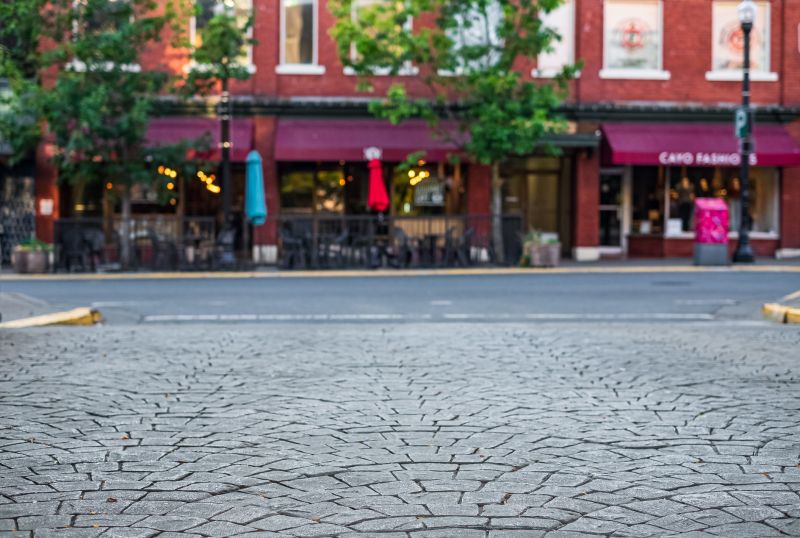
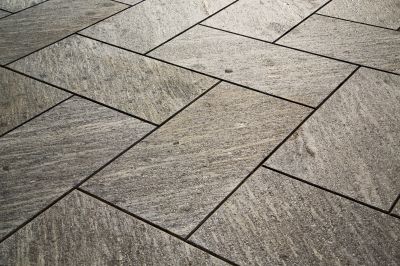
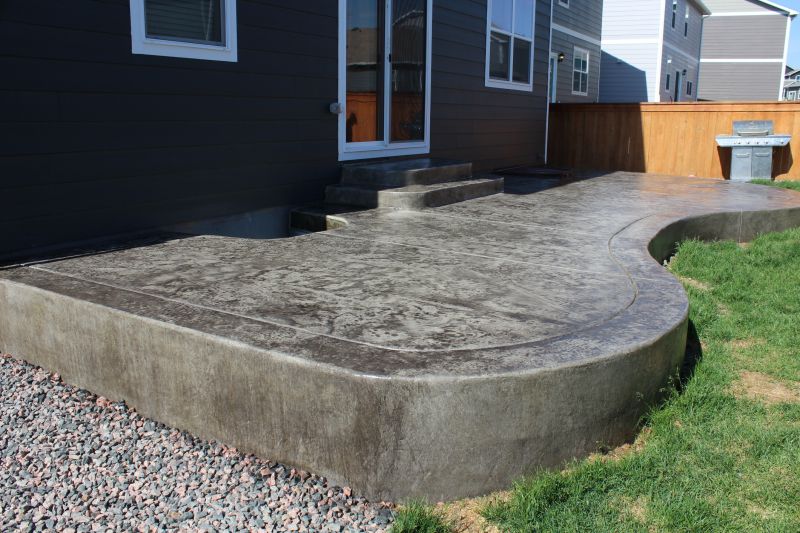
When people search for stamped concrete vs. pavers for commercial properties: pros and cons, they are typically exploring options for durable, visually appealing surfaces that can enhance the functionality and aesthetics of their business spaces. This comparison often relates to projects such as parking lots, walkways, patios, or entrance areas where high traffic and long-term wear are concerns. Business owners and property managers want to understand which material offers better longevity, maintenance needs, and overall appearance, especially when considering how the surface will reflect their brand or create a welcoming environment. The decision can impact not only the initial look but also ongoing costs and upkeep, making it essential to weigh the advantages and disadvantages of each option.
Commercial properties that frequently come up in these discussions include retail centers, office complexes, restaurants, and institutional facilities. These properties often seek surfaces that can withstand heavy use while maintaining a professional appearance. The choice between stamped concrete and pavers is influenced by factors such as traffic volume, climate conditions, and desired design flexibility. For example, a busy shopping plaza might prioritize durability and ease of repairs, while a boutique hotel might focus more on aesthetic appeal. Local contractors specializing in stamped concrete installation or paver installation can provide valuable insights based on the specific needs of each property type, helping owners make informed decisions aligned with their project goals.
When comparing stamped concrete and pavers for commercial properties, it’s important to consider how each material performs in real-world applications. Stamped concrete offers a seamless surface that can be customized with various patterns and colors, often providing a more uniform look that can mimic natural stone or brick at a lower cost. However, it can be prone to cracking over time if not properly installed or maintained. Pavers, on the other hand, are individual units that can be replaced easily if damaged, and they tend to have better flexibility under shifting ground or temperature changes. Local service providers experienced in commercial stamped concrete installation or paver installation can assess the specific conditions of a property and recommend the best approach to meet durability, aesthetic, and maintenance expectations.
Ultimately, understanding the pros and cons of stamped concrete vs. pavers for commercial properties helps property owners and managers plan for a surface that balances appearance, longevity, and ongoing upkeep. Each material has its strengths and limitations, which become clearer when considering the specific demands of a project. Local contractors can provide guidance tailored to the property's location, usage patterns, and design preferences, ensuring that the chosen surface enhances the property's value and functionality. Whether opting for the sleek, continuous look of stamped concrete or the modular, repair-friendly nature of pavers, connecting with experienced service providers can make the decision-making process more straightforward and aligned with long-term goals.
Concrete stamping projects involve detailed patterning and coloring techniques similar to stamped concrete versus pavers for commercial properties, requiring precise planning and specialized tools that local contractors can provide.
Paver installation services share skills in site preparation and material selection, making them relevant for projects comparing different hardscape options for commercial environments.
Outdoor flooring and patio projects often utilize decorative techniques that align with the aesthetics of stamped concrete and pavers, with local service providers able to handle complex surface planning.
Landscape hardscaping services include creating durable surfaces that complement overall site design, requiring similar planning and execution skills as stamped concrete and paver installations.
Surface repair and restoration work for existing concrete or paver surfaces involves understanding material properties, which is essential for projects evaluating long-term performance of stamped concrete vs. pavers.
Commercial walkway and plaza construction demands expertise in layout, surface durability, and aesthetic appeal, aligning with the skills needed for stamped concrete and paver projects in commercial settings.
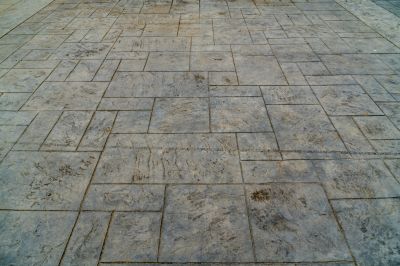
When evaluating contractors for stamped concrete versus pavers for commercial properties, it is essential to consider their experience with similar projects. Service providers with a proven track record in commercial stamped concrete installation are more likely to understand the specific demands of large-scale applications, such as durability, surface treatment, and traffic management. Reviewing their portfolio or asking for examples of past work can help gauge their familiarity with the nuances of stamped concrete and whether they have successfully handled projects comparable in scope and complexity. This insight can be valuable in determining whether a contractor has the practical knowledge needed to meet the unique requirements of commercial settings.
Clear written expectations are a critical aspect of selecting the right service provider for your project. A reputable contractor should be able to articulate the scope of work, materials, and finishes involved in stamped concrete or pavers, along with any potential limitations. Having detailed, written descriptions helps ensure that both parties are aligned on project deliverables and reduces the risk of misunderstandings. When comparing local contractors, it’s beneficial to look for those who provide comprehensive proposals or estimates that outline all aspects of the installation process, so expectations are transparent and manageable from the outset.
Reputable references and effective communication are vital indicators of a dependable service provider. Contractors with positive references from previous commercial clients demonstrate their ability to deliver consistent results. It’s also important to assess their responsiveness and clarity during initial discussions, as good communication can significantly impact project coordination and problem-solving. A contractor who openly discusses project timelines, potential challenges, and maintenance considerations can help ensure a smoother process. Prioritizing providers with strong reputations and transparent communication practices can lead to a more successful installation, whether choosing stamped concrete or pavers for a commercial property.
Property owners often search for stamped concrete vs. pavers for commercial properties: pros and cons when they are planning practical projects around their homes and businesses. Local pros provide Commercial Stamped Concrete Installation services for everyday jobs and straightforward project options.
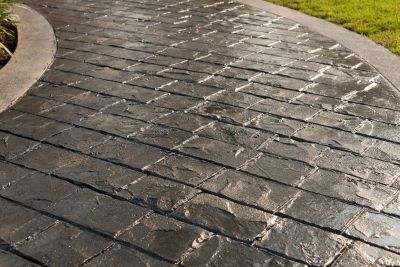
In commercial property settings, property owners often explore stamped concrete vs. pavers for their durability and visual appeal. Stamped concrete is popular for its ability to mimic more expensive materials like stone or brick, offering a seamless surface that can be customized with various patterns and colors. It tends to be a straightforward choice for high-traffic areas, as it generally requires less maintenance and can be installed relatively quickly by local contractors. Pavers, on the other hand, provide a modular look that allows for easier repairs or replacements if sections become damaged. Their natural appearance can also enhance the aesthetic of outdoor spaces, making them a preferred option for properties seeking a more textured or traditional look.
When considering stamped concrete vs. pavers for commercial properties, property owners weigh factors like longevity, maintenance needs, and installation complexity. Local service providers can help evaluate these aspects based on the specific project, such as parking lots, walkways, or outdoor seating areas. While stamped concrete offers a smooth, continuous surface that is often more cost-effective over time, pavers can provide better drainage and flexibility, which might be advantageous in areas prone to shifting or settling. Consulting with local contractors can help determine which material aligns best with the property's functional and aesthetic goals, ensuring a durable and attractive outdoor space.
What are the main aesthetic differences between stamped concrete and pavers for commercial properties? Stamped concrete offers a seamless, uniform appearance with customizable patterns and colors, while pavers provide a textured, traditional look with visible joints and individual units. Local contractors can help select the style that best matches the property's design goals.
How do stamped concrete and pavers compare in terms of durability for commercial use? Both options are durable, but pavers tend to handle heavy loads and shifting better over time, whereas stamped concrete may be more prone to cracking if not installed properly. Experienced service providers can ensure proper installation to maximize longevity.
Are maintenance requirements different between stamped concrete and pavers? Yes, stamped concrete generally requires periodic sealing to maintain appearance, while pavers may need joint sand replenishment and weed control. Local contractors can advise on ongoing maintenance to keep the surfaces in good condition.
Can stamped concrete and pavers be installed on existing surfaces? Both can be installed over existing surfaces with proper preparation, but pavers often require less prep work. Service providers can assess the site to determine the best approach for installation.
Which option offers better slip resistance for commercial properties? Pavers typically provide better slip resistance due to their textured surface, while stamped concrete can be treated or textured to improve grip. Local contractors can recommend suitable finishes based on safety needs.
Assessing durability needs - property owners can consider how stamped concrete or pavers withstand heavy foot traffic and vehicle use in their commercial spaces, guiding decisions with the help of local contractors.
Evaluating aesthetic options - choosing between stamped concrete's customizable patterns and pavers' varied styles allows property owners to match their property's design vision with the assistance of local pros.
Considering installation complexity - understanding the installation process for each surface type helps property owners plan projects effectively, with local contractors providing practical insights.
Planning for maintenance requirements - property owners can think about ongoing upkeep, such as sealing or replacing pavers, and consult local service providers for advice on long-term care strategies.
If you are thinking about stamped concrete vs. pavers for commercial properties: pros and cons for a property, this guide is meant to help you understand this topic, the typical project types, and how different options might fit your plans.
When you are ready, you can use the quote form on this page to share a few details about your project. From there, local pros can review the basics and follow up with options that match what you have in mind.